

Have you ever thought on why you see the same type of posts again and again? That’s not random—it’s the algorithm at work. Why Your Social Media Feed Looks the Way It Does? Your social media feed doesn’t just appear by chance.
Every post, video, and ad you see is the result of a carefully designed system—who decides your social media feed algorithm is a question more people are asking as feeds become increasingly personalized.
Understanding how social media algorithms decide what I see reveals a mix of recommender systems social media, platform algorithm control, and your own behavior. This process is similar to how AI personalizes content for users, where systems study preferences and behavior to recommend songs, videos, or posts you’re most likely to enjoy.
Who Decides What You See on Social Media
Your feed is curated by systems platforms use. These systems rely on social media ranking signals—like how often you engage with certain types of content, how much time you spend watching videos, and what kinds of posts you interact with.
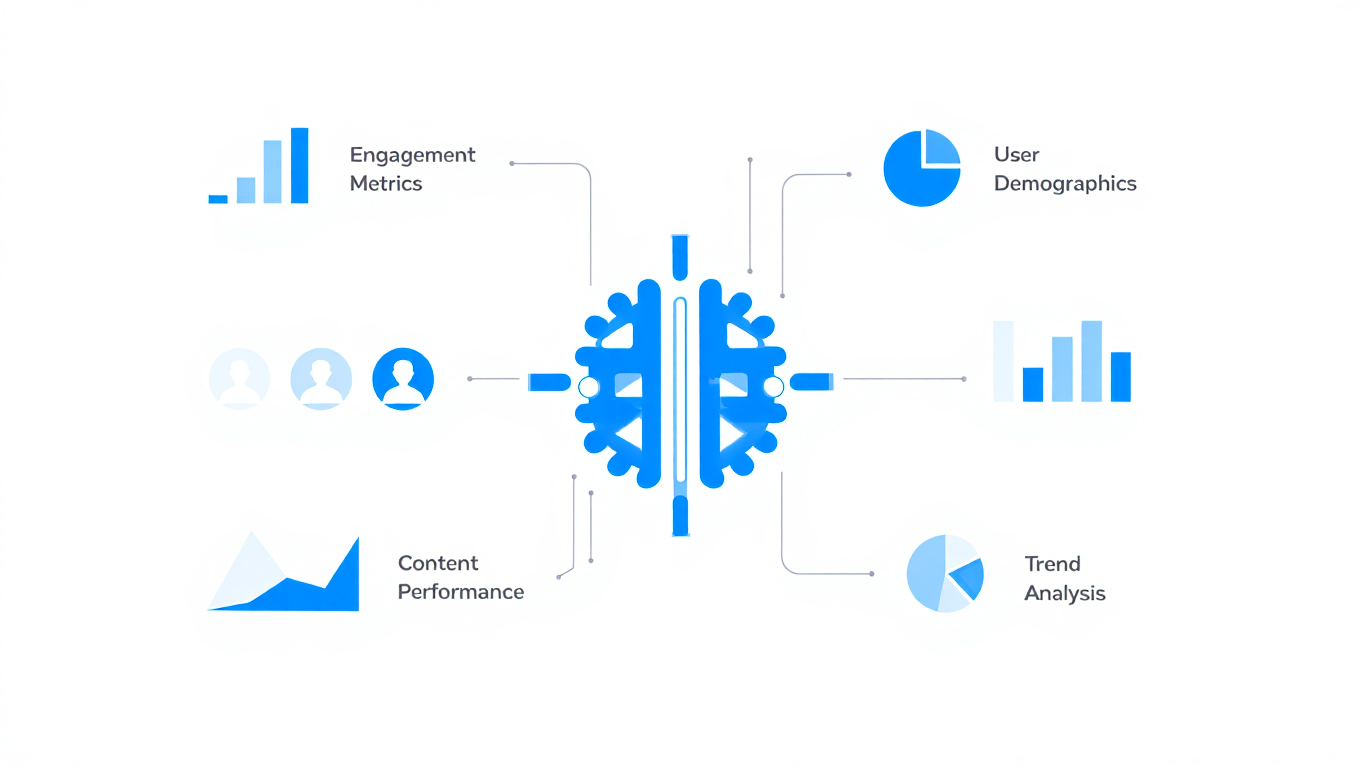
The algorithm factors for feed ranking include signal weighting and content relevance score. In short, it’s mostly machines deciding what you see, not people.
Are Social Media Feeds Controlled by Humans or Machines? Mostly machines, but humans set the rules. It’s like designing a traffic system and letting smart signals control the flow.
The Human Role in Social Media Algorithms
While algorithms do the heavy lifting, who designs social network algorithms is a team of engineers and data scientists. They build the system, but day-to-day decisions are automated.

1. Human Moderation vs Automated Ranking
Human moderation vs automated ranking means that controversial or trending content might get a human eye, but most posts are ranked by algorithms.
2. How Platform Policies Influence Your Feed
Platform policy influence on feed also plays a role—platforms can tweak what appears based on new policies or public pressure. Algorithm transparency and accountability is still a hot topic, as users want to know why certain posts show up.
How Your Behavior Shapes Your Feed
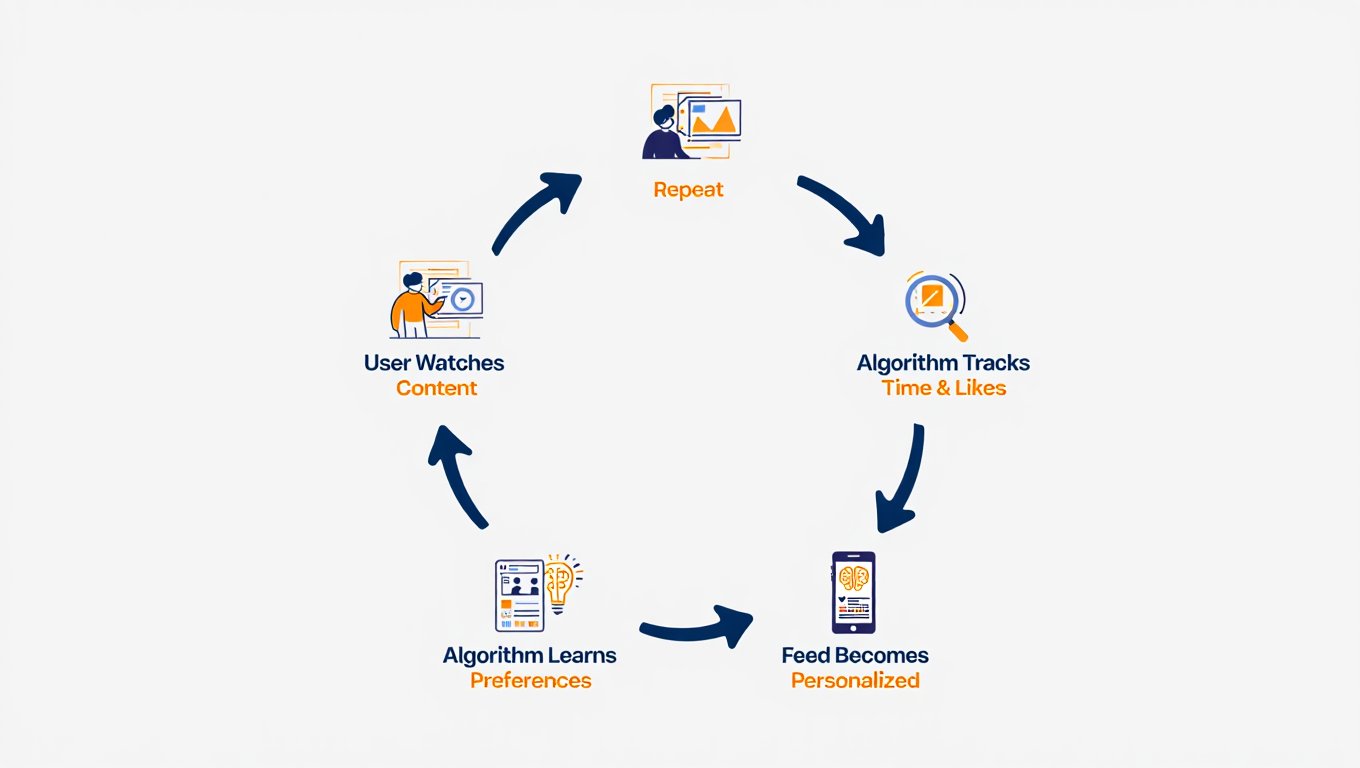
Your behavior talks. Loudly. Likes, comments, shares, and saves are classic engagement ranking signals. Watch time matters even more. If you stop scrolling, the algorithm notices.
Platforms build an interest graph—a living map of your preferences.
This explains how does my behavior decide what appears in my feed and why my feed shows similar posts again and again.
Example: Watch two baking videos fully. Soon, your feed smells like cookies. That’s how platforms measure content relevance.
Key signals at a glance:
| Signal Type | What It Tells the Algorithm |
|---|---|
| Likes & Shares | Interest strength |
| Watch Time | Content quality |
| Comments | Emotional engagement |
| Follows | Long-term preference |
Platform Examples of Social Media Feed Control
Facebook Feed Algorithms
Facebook’s algorithm uses engagement signals and watch time to prioritize posts from friends, groups, and pages you interact with most.
Instagram Feed Algorithms
Instagram’s algorithm combines your activity and trending posts, focusing on visual engagement.
TikTok Recommendation Algorithm
TikTok’s powerful recommendation engine uses user behavior signals and watch time to serve viral content.
How YouTube Chooses Your Content
YouTube’s algorithm personalizes your feed using viewing history, likes, and watch time.
Sometimes, you might wonder why am I seeing old posts on my feed. This can happen if the algorithm thinks you’ll re-engage with something from your past.
Can I change who decides my feed?
You can’t rewrite the algorithm. But you can influence it. Likes, follows, searches, and watch time reshape your signals. Some platforms let you mute topics or turn off recommendations. So yes, can users change who decides their social feed—partially.
In reality, who sets social media algorithms vs user influence is a partnership. You steer. The system drives.
Using simple tools to improve social media privacy can also help you manage tracking, recommendations, and how much data platforms use to shape your feed.
Final Thoughts
Algorithms Work With You, Not Against You!
So, who decides what appears in my feed? Algorithms trained by humans and shaped by you. Who trains recommendation algorithms matters—but your daily actions matter more.
Every scroll is feedback. Feed transparency and accountability are still evolving, but one thing is clear: your behavior writes the story your feed tells.

