


Have you ever looked at your wrist and wished your watch could do more than just tell time? You aren’t alone. Millions are shifting from traditional watches to smart wearable technology because life is moving faster than ever.
But if you’re still on the fence, you might be wondering: are wearable devices worth it for beginners? The answer is a resounding yes. Wearable technology for beginners isn’t just about flashy gadgets; it’s about making your life easier, healthier, and more connected.
In this beginner’s guide to wearable tech, we’ll break down the wearable devices explained in simple terms to help you join the digital revolution.
If you want to learn how to organize and simplify your daily tech habits, check out our guide on Digital Minimalism for Beginners for practical tips.
What Is Wearable Technology
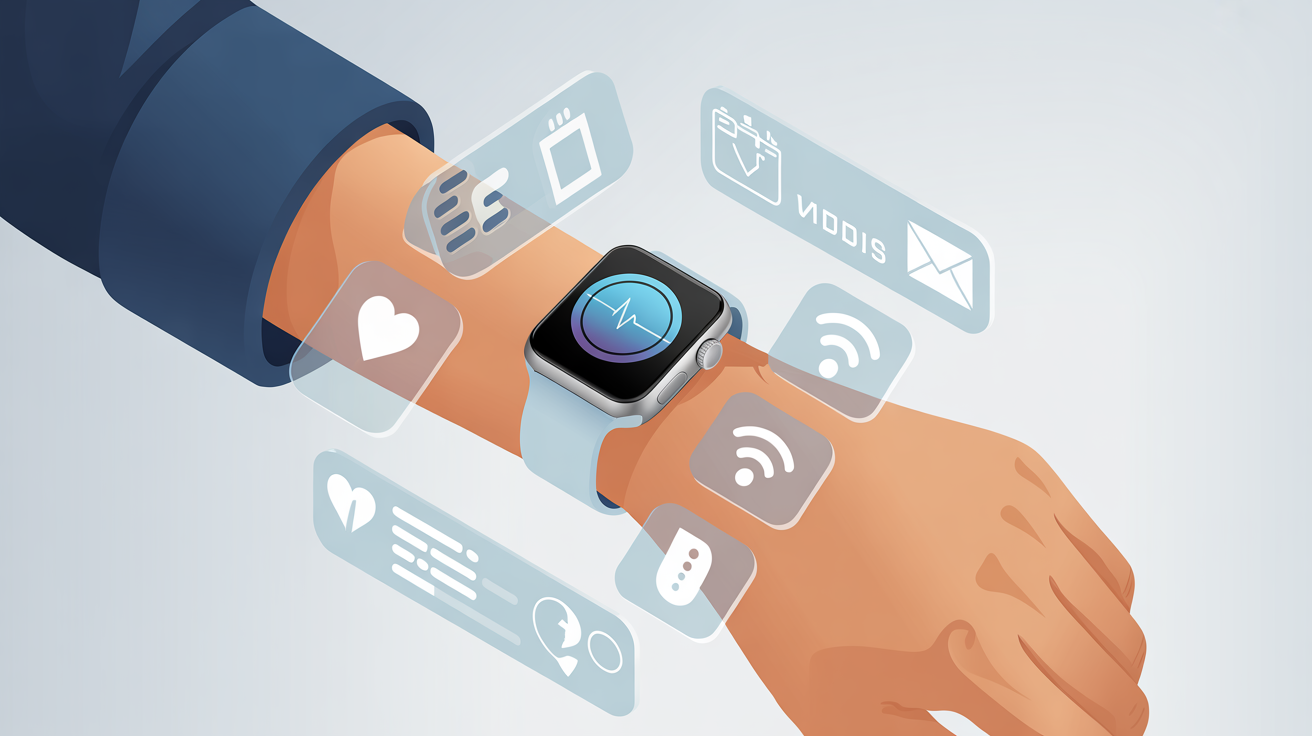
To put it simply, what is wearable technology? It refers to electronic devices designed to be worn on the body. Unlike your phone, which sits in your pocket, these wearable tech basics stay in constant contact with you. This category, often called wearable computing, includes everything from rings to glasses.
Having wearable technology explained simply means understanding that these are “smart” versions of everyday accessories that track your health, fitness, and daily routines.
Through wearable tech definitions, we see that any device that tracks data or provides notifications while being worn falls under this smart wearable technology umbrella.
For readers who want a deeper understanding of wearable tech and its definitions, check out this TechCrunch Wearables Section.
How Does Wearable Technology Work?
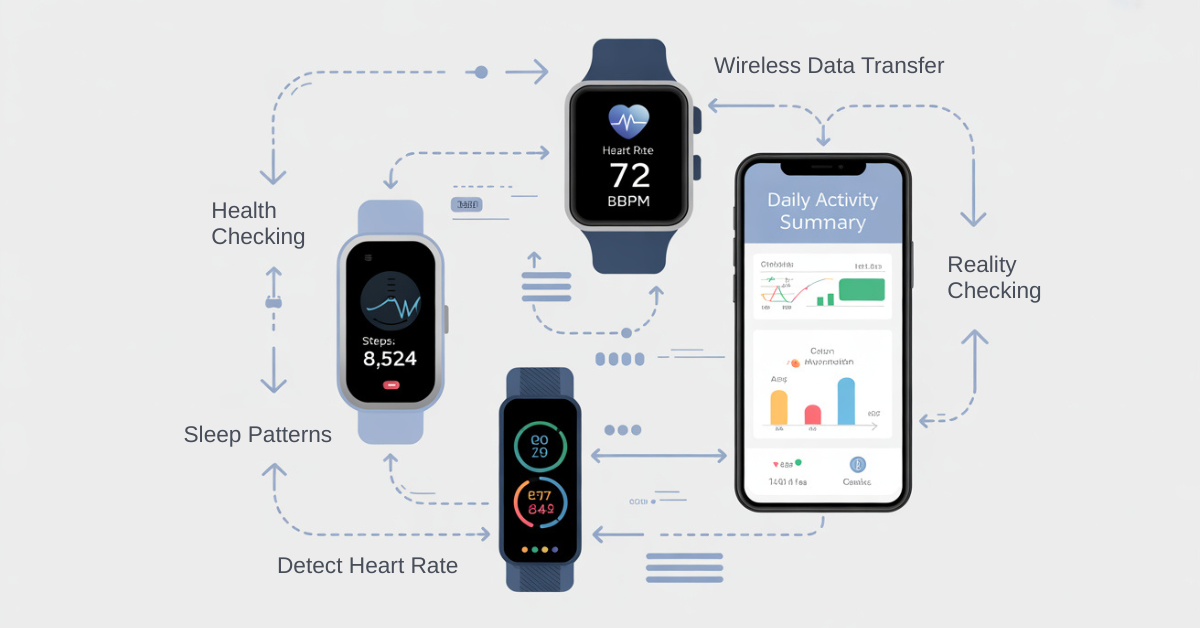
You might be curious about how wearable technology works. It’s not magic—it’s science! These devices use tiny, sophisticated wearable sensors to detect movement, heart rate, and even sleep patterns. Through Bluetooth wearable tech, they sync this data to your phone, turning them into connected devices.
A major part of the user experience in wearable tech depends on how these sensors interpret your body’s signals. For a seamless experience, wearable integration with smartphones is key; it allows you to see your stats in real-time on a larger screen. For more tips on syncing your lifestyle, check out how tech is transforming our daily lives.
Common Types of Wearable Devices
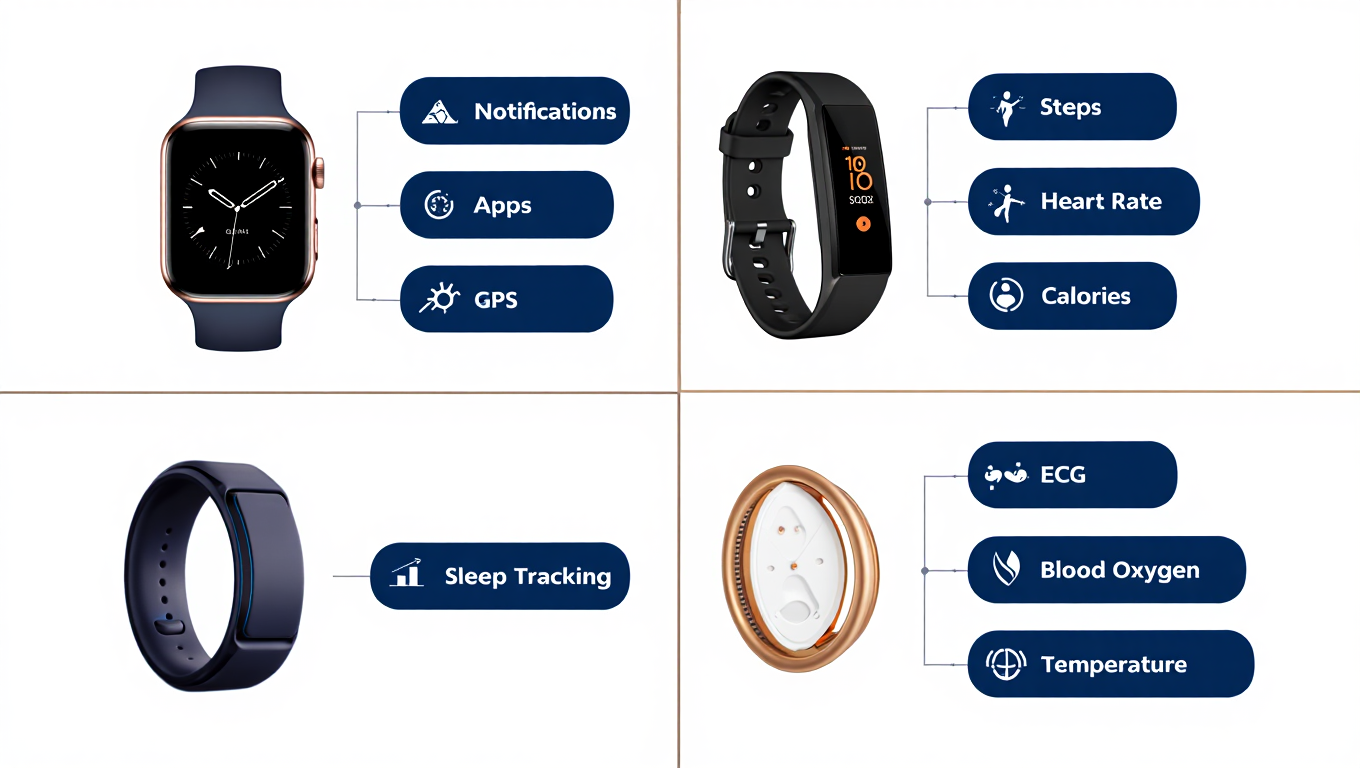
The market is full of different wearable devices, but most fall into these categories:
| Device Type | Key Feature | Example Use |
|---|---|---|
| Smartwatch | Notifications + Health Tracking | Heart rate, messages |
| Fitness Tracker | Activity Monitoring | Steps, sleep tracking |
| Smart Rings / Patches | Niche monitoring | Stress, hydration |
| Health Monitoring Devices | Medical insights | Blood pressure, oxygen levels |
These wearable tech features make devices practical for everyday life. Students and beginners can start with wearable tech examples for students like simple fitness trackers or smart rings.
Benefits of Wearable Technology for Beginners
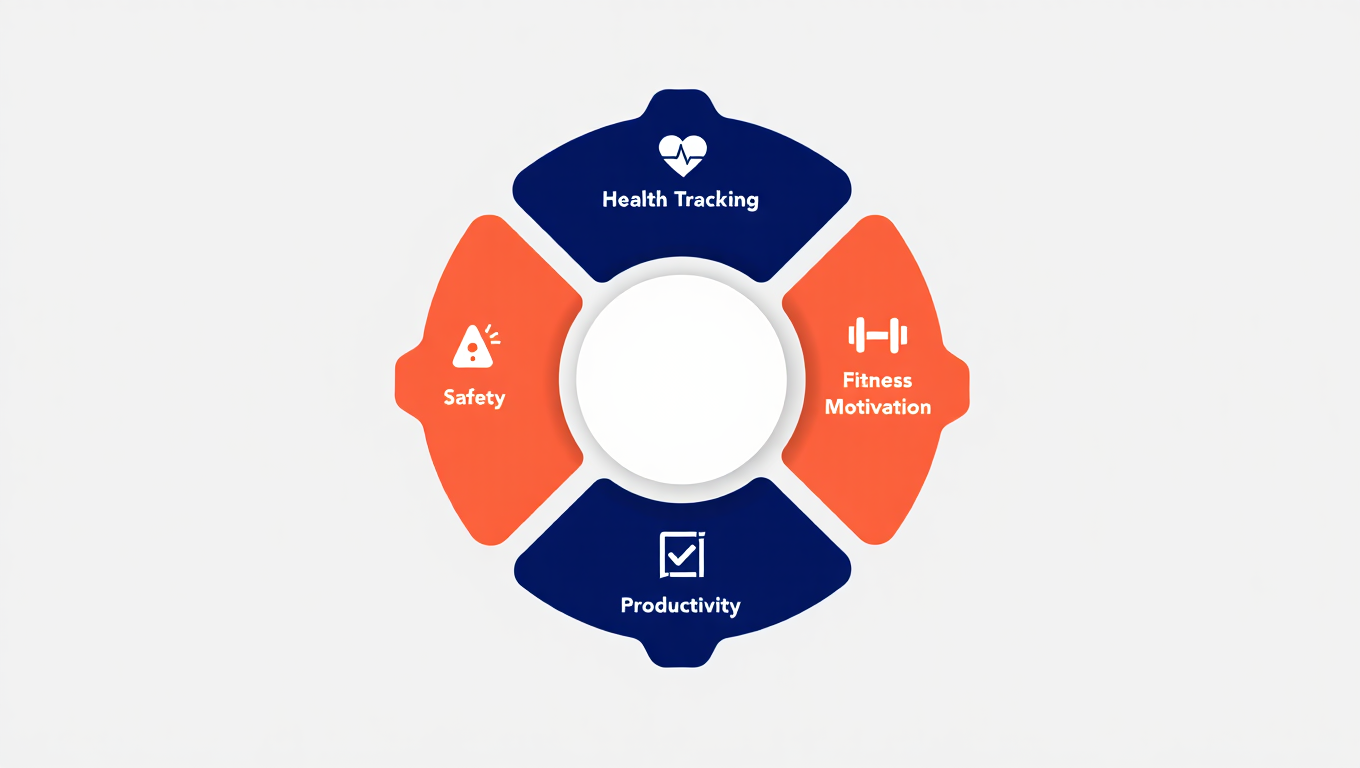
Wearable technology benefits go beyond steps and calories. They can:
- Improve health tracking (how do wearable devices help health tracking?)
- Enhance fitness motivation (wearable fitness tech for beginners)
- Boost productivity — see how Remote Work Rewired uses tech to improve daily work.
- Provide wearable performance metrics for self-improvement
- Safety: Fall detection for seniors.
Even simple devices can make routines easier, like reminding you to stand, move, or drink water.
Choosing Best Wearable Technology for Beginners
When seeking the best wearable technology for beginners, don’t feel pressured to buy the most expensive model. Keep in mind:
When choosing your first wearable:
- Ease of use: Beginners should avoid complex features.
- Budget-friendly: Look for low-cost wearable devices.
- Purpose-driven: Fitness, health, notifications, or study tracking.
Examples:
- Smartwatches for daily notifications
- Fitness trackers for beginners
- Smart rings or patches for specialized monitoring
Comparison Tip: Wearable technology vs traditional gadgets — wearables offer convenience, mobility, and insights that standard devices cannot.
Safety, Trends, and the Future
Safety matters. Always check wearable tech safety features, data privacy, and compatibility. For beginners, understanding how to protect personal data is key—learn more in Simple Ways to Secure Your Online Accounts.
Wearables are trending fast, from tech innovations in wearables to wearable tech market trends. Their adoption is only increasing, making it a great time for beginners to start small.
FAQs: Wearable Technology
- Wearable Tech Explained for Non-Tech People?It is a body-worn device that uses sensors to collect data and sends it to your phone via Bluetooth.
- How wearable tech can improve health?By tracking sleep, heart rate, and movement, it alerts you to irregularities and encourages an active lifestyle.
- Is wearable technology safe to use?Most devices follow wearable tech safety standards. Choose trusted brands.
- What are the benefits of wearable technology?Health monitoring, fitness tracking, productivity improvement, and wearable tech for daily lifestyle.
- Which wearable devices should beginners choose?Beginners should start with a simple fitness tracker or a mid-range smartwatch with high user experience in wearable tech ratings.
Conclusion: Starting Your Journey
Wearable technology for beginners is the easiest way to enhance health, productivity, and lifestyle. The era of wearable tech adoption is just beginning. As smart wearable technology becomes more affordable, it is no longer a luxury—it’s a tool for a better life.
Start small with low-cost wearable devices, monitor progress with wearable performance metrics, and gradually explore advanced smart wearable technology to see how tech innovations in wearables can change your routine.
Check out the IDC Worldwide Wearable Device Tracker for current industry stats and see why this is a top wearable technology trend for everyday users. Embrace wearable technology for beginners today and experience smarter living!

