


Are you feeling screen fatigue after hours of social media scrolling? This often happens with almost every social media user.
Most people want to reduce screen time but don’t want a full social media detox. And honestly, that’s realistic.
Social media helps us learn, connect, and grow. The real solution isn’t quitting; it’s building mindful social media habits and achieving healthy social media screen time through balance — not extremes.
With a few smart strategies, you can reduce phone screen time naturally while still enjoying social media.
Can You Reduce Screen Time Without Leaving Social Media?
Yes — and it’s easier than you think.

You can reduce screen time without quitting social media by changing how you use apps, not whether you use them. Think of social media like food. You don’t stop eating. You just stop snacking all day.
This approach helps you:
- reduce screen time without deleting social media
- cut screen time but keep social media
- maintain social media balance
Why Scrolling Feels Addictive
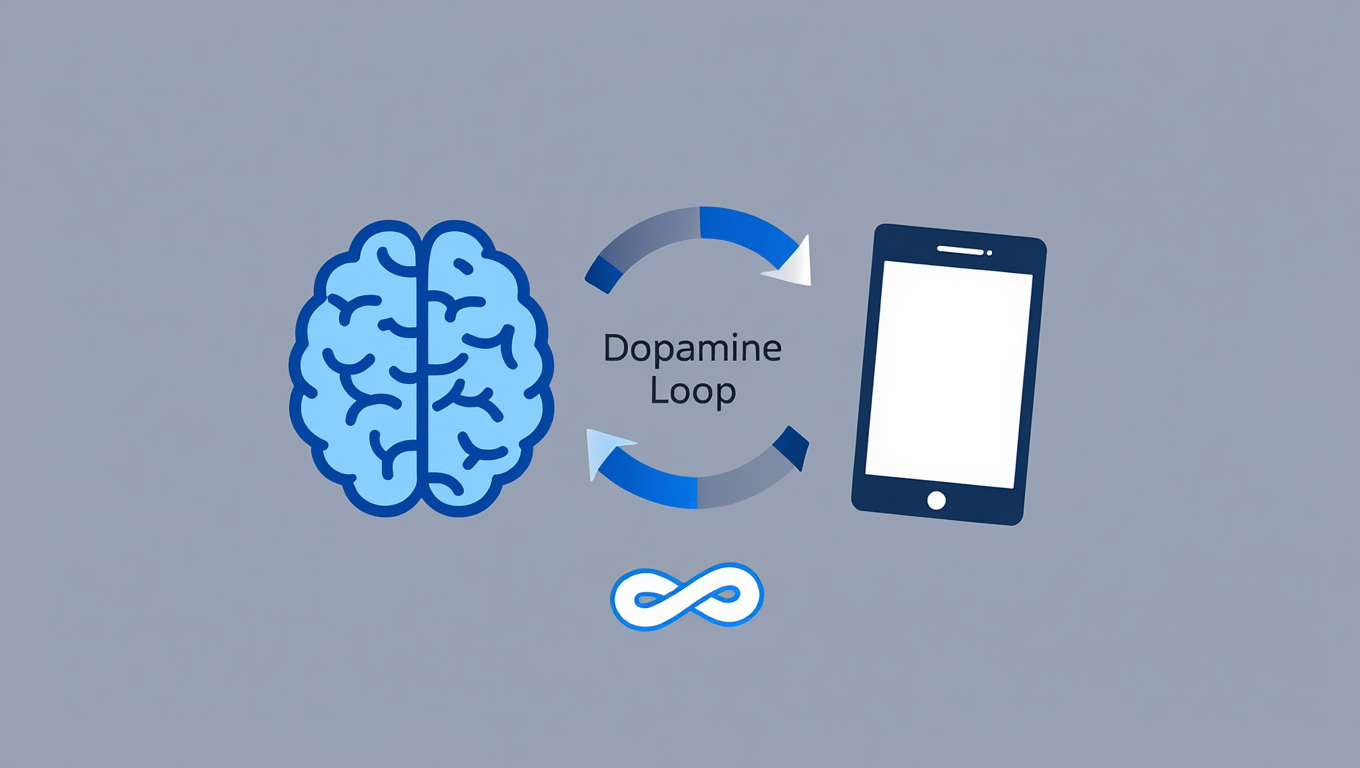
Social platforms are designed around dopamine loops. Every swipe promises something new. That’s why mindful scrolling matters.
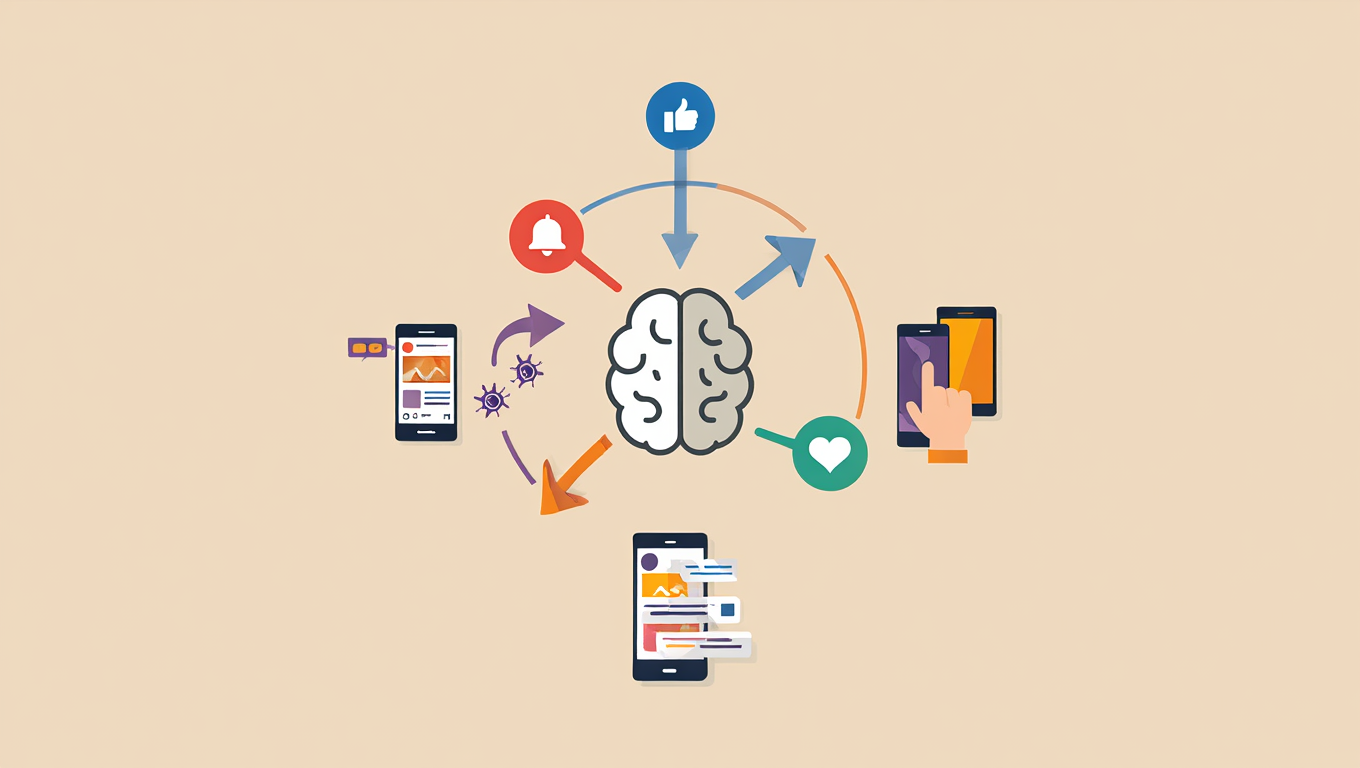
Here’s what drives addiction:
- Endless feeds
- Notifications triggering urgency
- Autoplay content removing stopping points
This is why digital wellbeing habits matter more than motivation. You don’t fight the brain. You design around it.
Practical Ways to Reduce Screen Time Without Deleting Apps
These methods reduce phone screen time naturally without cutting you off.
1. Control How You Use Social Media
- Reduce screen time on social media by setting daily limits.
- Practice ways to use social media less without deleting accounts.
- Reduce phone screen time naturally by scheduling social media breaks.
Understanding how viral social media trends shape everyday habits can help you see why it’s so hard to put your phone down.
2. Platform-Specific Scrolling Control
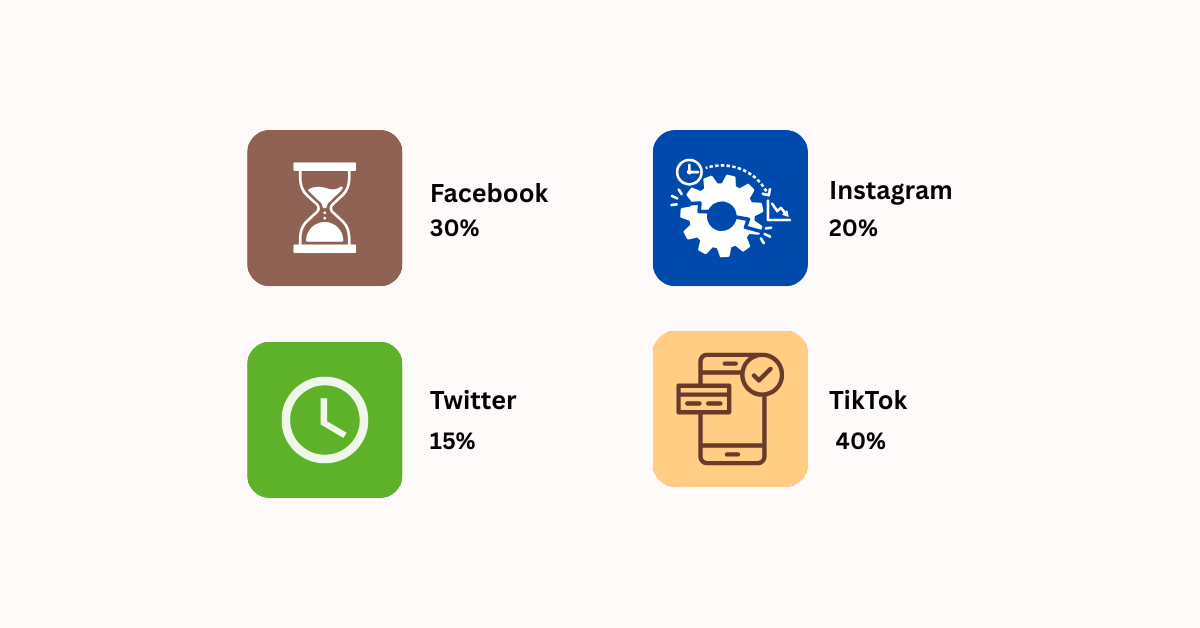
You can follow the scrolling control relevant to your social media accounts from the table given below:
| Platform | Scrolling Control Strategy |
|---|---|
| Unfollow low-value accounts, mute Stories, and disable Reels autoplay to support mindful use, focus, and screen control. | |
| TikTok | Set session timers to break dopamine loops, reduce addiction, and improve self-control. |
| Unfollow inactive groups and use Favorites to maintain digital balance and focused browsing. | |
| YouTube | Turn off autoplay and avoid Shorts to protect attention, productivity, and healthy habits. |
| X (Twitter) | Switch to Following feed and mute trends to reduce notification overload and distraction. |
| Snapchat | Disable streak alerts to limit impulse checking and improve phone habits. |
| Mute groups and check messages on schedule to build boundaries and digital wellbeing. | |
| Follow niche creators only to support intentional use, learning, and focus. | |
| Use purpose-based boards to avoid mindless scrolling and encourage digital minimalism. | |
| Leave low-value subreddits to reduce infinite scroll and improve screen management. |
3. Smart App & Device-Level Changes
- Reduce phone usage without uninstalling apps.
- Use built-in screen limits and app timers.
- Enable smartphone grayscale mode to make screens less appealing.
Setting limits not only improves focus but also helps you extend smartphone battery life, ensuring your device lasts longer throughout the day.
4. Mastering Mindful Scrolling Habits
Mindful scrolling means being present and intentional. Unlike mindless scrolling, it helps you avoid digital fatigue. Try these healthy social media habits:
- Curate your feed for mental health.
- Follow social media moderation tips for daily users.
- Focus on content that adds value.
5. Set Healthy Boundaries Without Missing Out
How to set social media boundaries for yourself:
- Limit notifications: Notification management helps reduce distractions.
- Schedule “no social media” times: Digital minimalism for beginners is key.
This is especially powerful for people who want to reduce screen time for adults who work on social media.
Setting daily limits on social media apps can help you regain control of your time and attention, and health organisations offer practical tips for developing healthier screen habits.
(trusted source: NHS)
To take control of your online experience, you can also follow guides on stop Instagram tracking methods for better digital privacy
FAQs: Reduce Screen Time Without Leaving Social Media
- How can I reduce screen time without quitting social media?By using app limits, mindful scrolling, and intentional usage rules.
- Can I reduce phone addiction without deleting apps?Yes. Tools like timers and grayscale reduce usage naturally.
- Is a social media detox necessary?No. Long-term social media balance works better.
Conclusion: Balance Beats Quitting
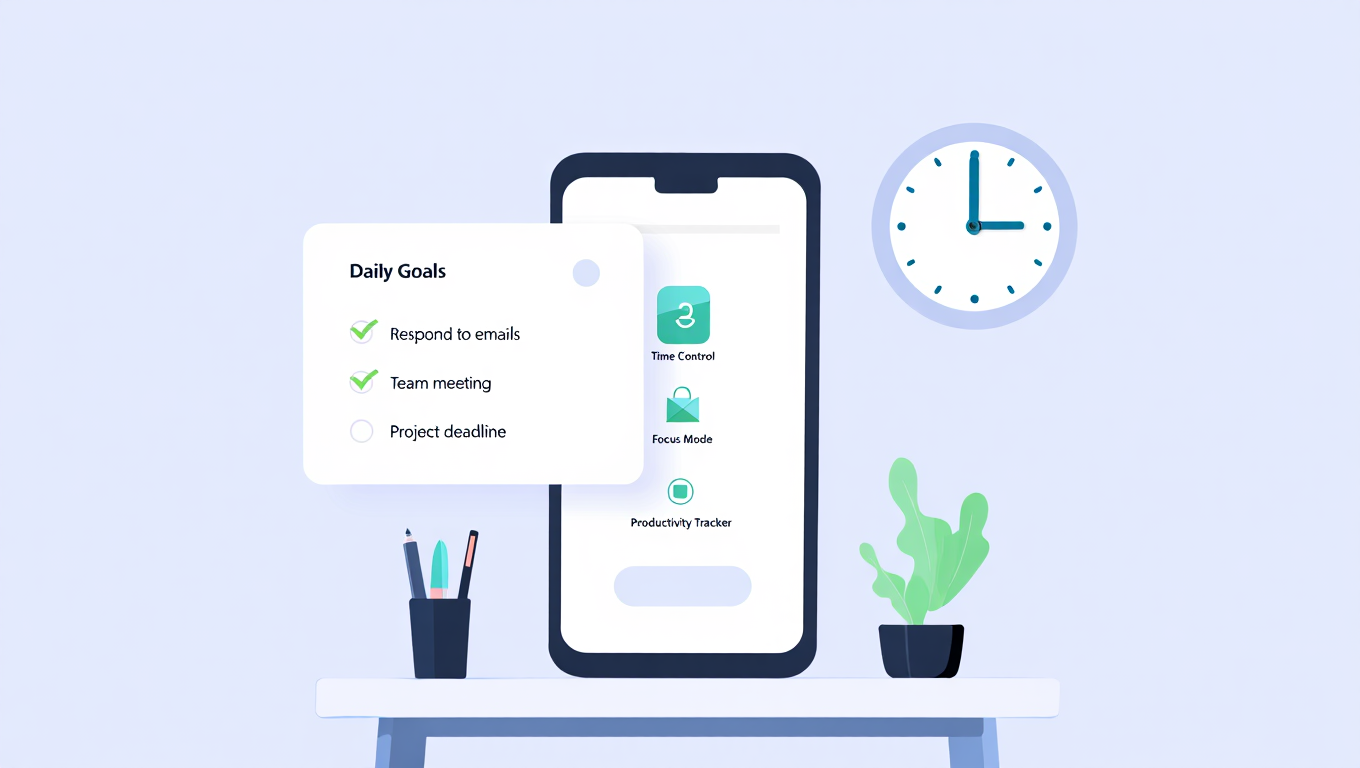
You don’t need to disappear online to feel better offline. When you reduce screen time without quitting social media, you gain control — not guilt.
Start small. One habit. One boundary.
That’s how Reduce social media screen time becomes sustainable.

