

Choosing a phone today is not just about brand loyalty. It’s about habits, comfort, and how smoothly a device fits into your routine. That’s why the Android vs iPhone daily use comparison remains such a hot debate.
Everyone want the best smartphone OS for daily use. Whether you’re scrolling social media, answering emails, or navigating maps, the Android vs iPhone for everyday users question matters more than ever.
Let’s break down the real Android vs Apple iPhone daily experience—without hype.
Daily Usability & User Experience
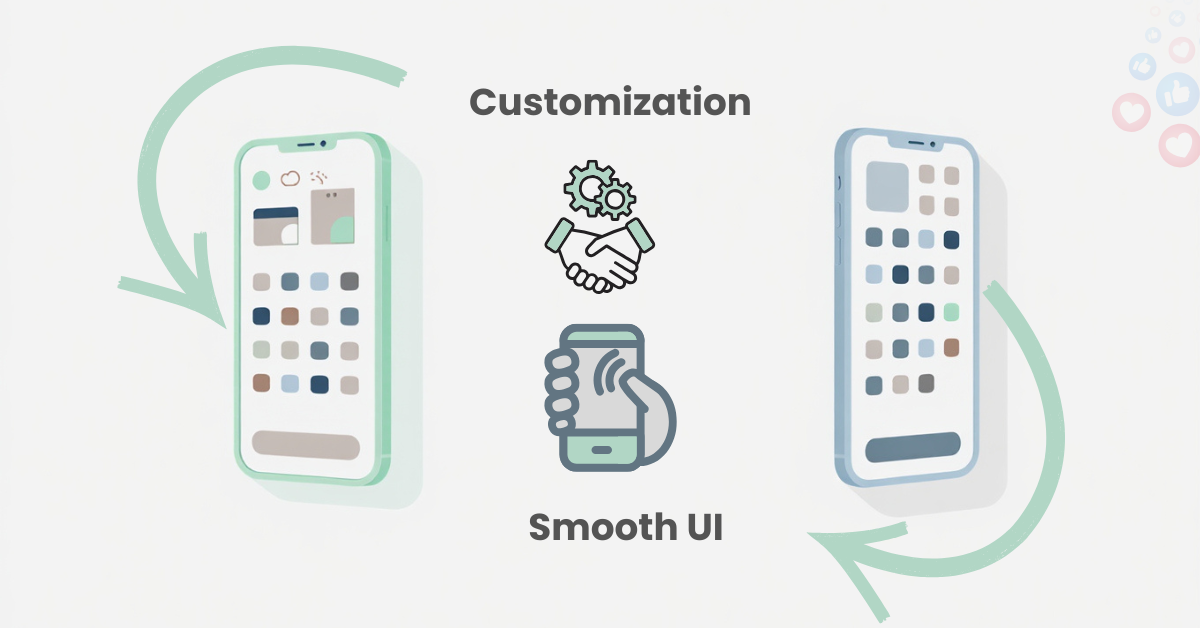
The Android vs iPhone usability comparison often boils down to personal preference.
1- Android vs iPhone usability comparison
- Android offers freedom and flexibility
- iPhone offers fluency and smooth consistency
2 – Android vs iPhone Performance Daily Tasks
- Both handle calls, apps, and multitasking efficiently
- The main difference is workflow and user flow
3 – UI/UX Comparison Android vs iOS
- iPhones focus on consistent experience
- Android adapts to the user’s preferences
4 – iPhone vs Android User Preferences
- Influenced by daily habits, multitasking, and app usage
- Daily navigation habits and screen time patterns differ noticeably
- Shapes unique everyday smartphone habits (According to Digital Silk)
Switching from Android to iPhone (or vice versa) can be seamless if you follow the right steps to transfer your data safely, as explained in How to Transfer Personal Data Safely to a New Phone.
Daily Use: Android vs iPhone Pros and Cons
When deciding between Android and iPhone, understanding their daily strengths and weaknesses can help you pick the right smartphone for your lifestyle.
Android Daily Use Advantages
- Deep phone customization Android
- Flexible widgets and launchers
- Powerful Android OS features
iPhone Daily Use Benefits
- Strong Apple ecosystem
- Seamless device syncing
- Long-term updates and iOS ecosystem benefits
Android appeals to tinkerers. iPhone attracts users who want things to “just work.” This difference reflects user satisfaction smartphone data and explains Android user demographic trends versus iPhone user demographic insights worldwide.
App Usage, Screen Time & Spending Behavior
App usage Android vs iPhone reveals interesting patterns. Android users tend to experiment with more apps, while iPhone users often stick to a few trusted ones. Daily screen time iPhone vs Android is generally higher for Android users, partly due to broader device availability and more gaming options.
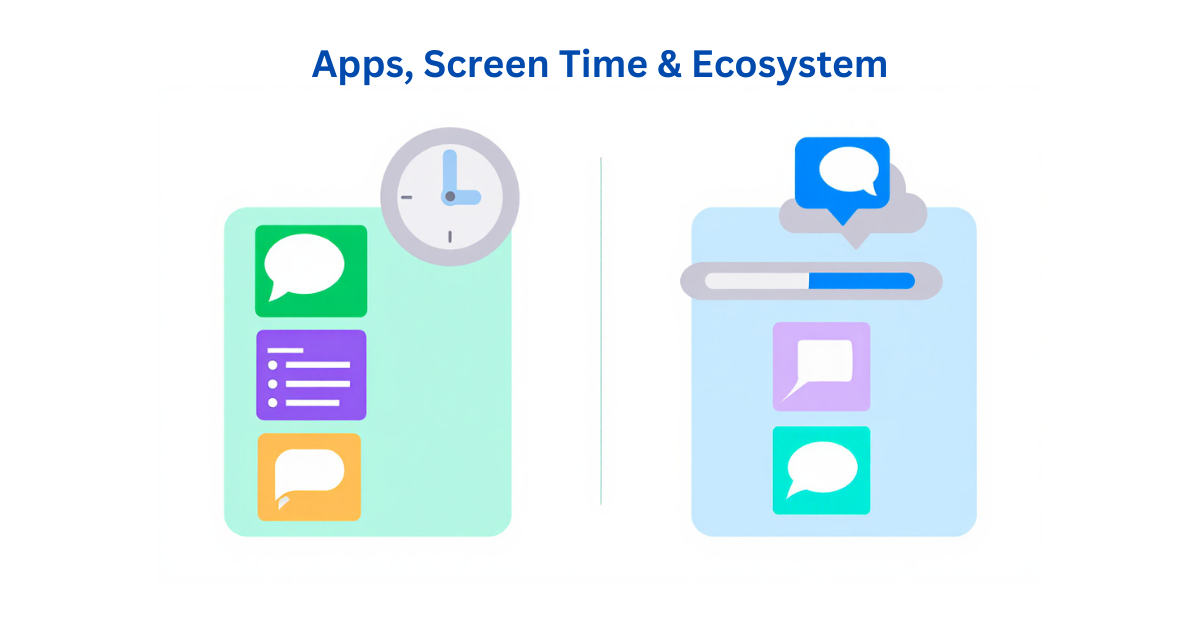
App engagement trends show that iPhone users spend more on apps, likely because of higher disposable income and Apple’s curated App Store. This smartphone ecosystem comparison affects not just how we use our phones, but also how much we spend on them.
Smart AI assistants on both Android and iPhone are changing how we manage apps and notifications daily, as highlighted in Everyday AI: 9 Unexpected Ways Changing Life.
Battery, Performance & Device Longevity
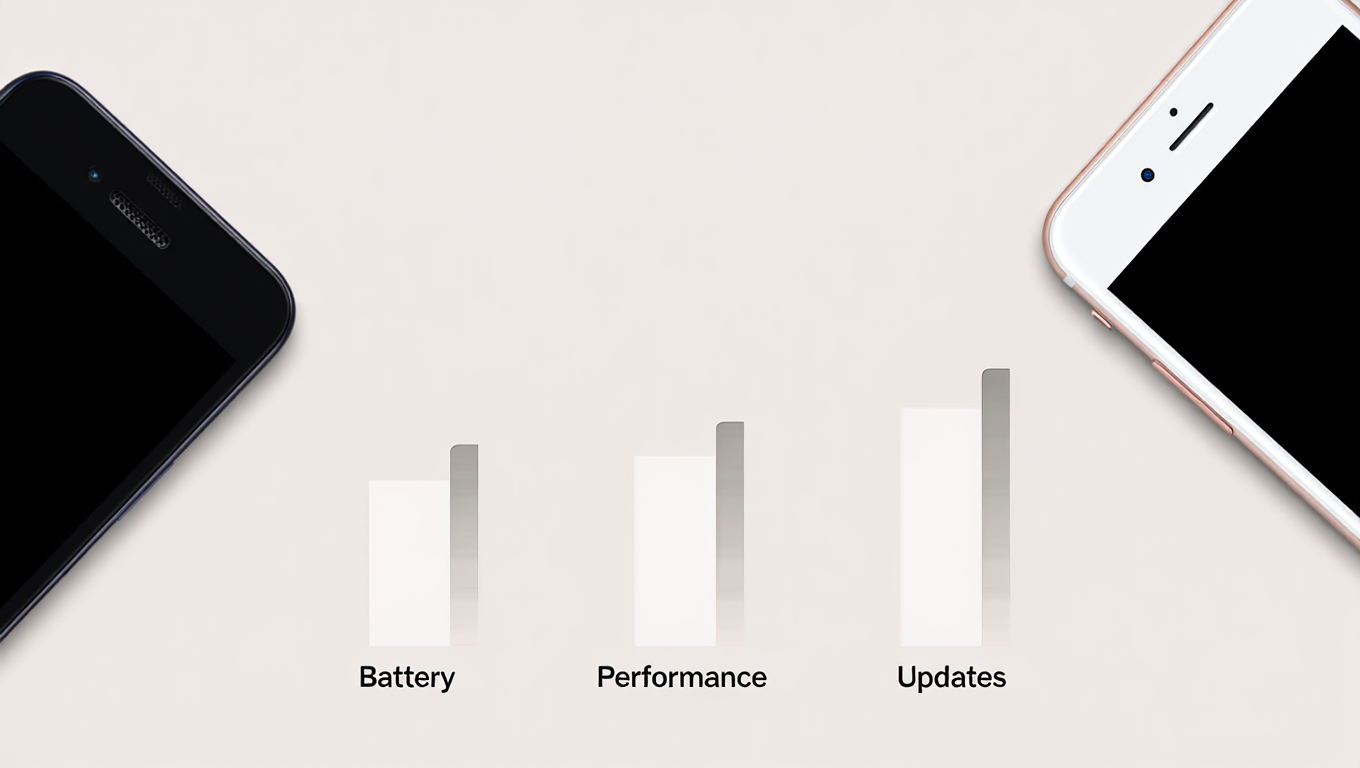
Battery life, performance, and device longevity are key factors that affect your daily smartphone experience and long-term satisfaction. For tips on how to maximize your phone’s battery, check out Ways to Extend Smartphone Battery Life.
| Feature | Android | iPhone |
|---|---|---|
| Battery Life | Higher capacity | Optimized efficiency |
| Performance | Strong, versatile | Strong, Consistent |
| Updates & Longevity | Depends on brand & model | Long-term support |
| Security & Privacy | Good, depends on manufacturer | Built-in ecosystem security |
Summary: Android offers flexibility and variety; iPhone provides consistency, updates, and stronger security & privacy smartphone features.
Long-Tail Insights & Buyer Perspective
Many people ask, is Android better than iPhone for daily tasks? It depends on your habits and budget. For first-time buyers, iPhones feel easier to use at first. Android offers more flexibility over time.
In the best OS for everyday smartphone use debate, iPhone wins for simplicity, Android for customization. A balanced daily use experience Android vs iPhone review also considers budget and premium options.
For those considering a budget-friendly Android or iPhone alternative, this Top Budget Smartphones Battery & Camera Test can help you make an informed choice.
Market Trends & Usage Statistics
Globally, Android vs iOS market share still favors Android. Yet global market share Android vs iPhone varies by region. According to smartphone usage statistics 2025, premium markets lean iPhone, while emerging regions show strong market distribution by region for Android (Smashed IT).
Final Thoughts!
The Android vs iPhone daily use comparison proves one thing clearly. There is no universal winner. The best smartphone OS for daily use depends on how you live, work, and relax. Android rewards curiosity. iPhone rewards consistency. Choose the one that fits your rhythm—not the trend.
FAQs: Android Vs. iPhone
- Which is better for daily use, Android or iPhone?It depends on your habits. Android offers flexibility and customization, while iPhone provides smooth performance and ecosystem integration.
- Do iPhone users spend more screen time than Android users?Yes, on average iPhone users spend more time on apps and social media, due to the optimized interface and app engagement design.
- Is Android easier to customize for daily tasks?Absolutely. Android allows widget placement, app layouts, and system tweaks, giving you more control over daily phone usage.
- How does battery life compare between Android and iPhone?Android often has higher capacity, while iPhones are optimized for efficiency. Both can last a full day, but usage patterns may differ.
- What makes iPhone usage smoother than Android?
Tight hardware–software integration.